HOME / NEWS & EVENTS / News / 正文
Oct 28, 2026
The preliminary round of the College of International Education's International Chinese Teaching Skills Competition took place on the morning of October 22 in Room 310, Building 3, North Campus, with seven contestants competing. The event tested teaching ability across three segments: language point instruction, pronunciation teaching, and Chinese cultural talent demonstration. A panel of three faculty members—Zheng Juanman, Xu Lili, and Zhou Jinghan—judged participants on teaching objectives, content organization, language expression, and other criteria.
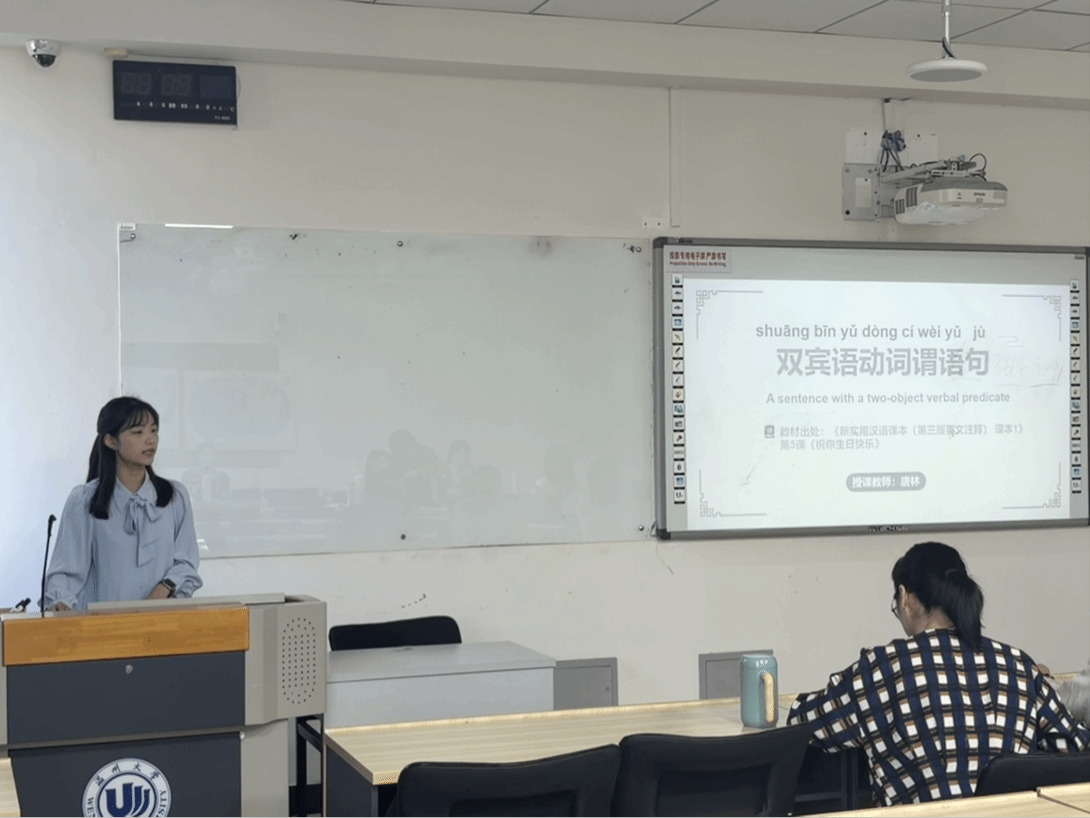
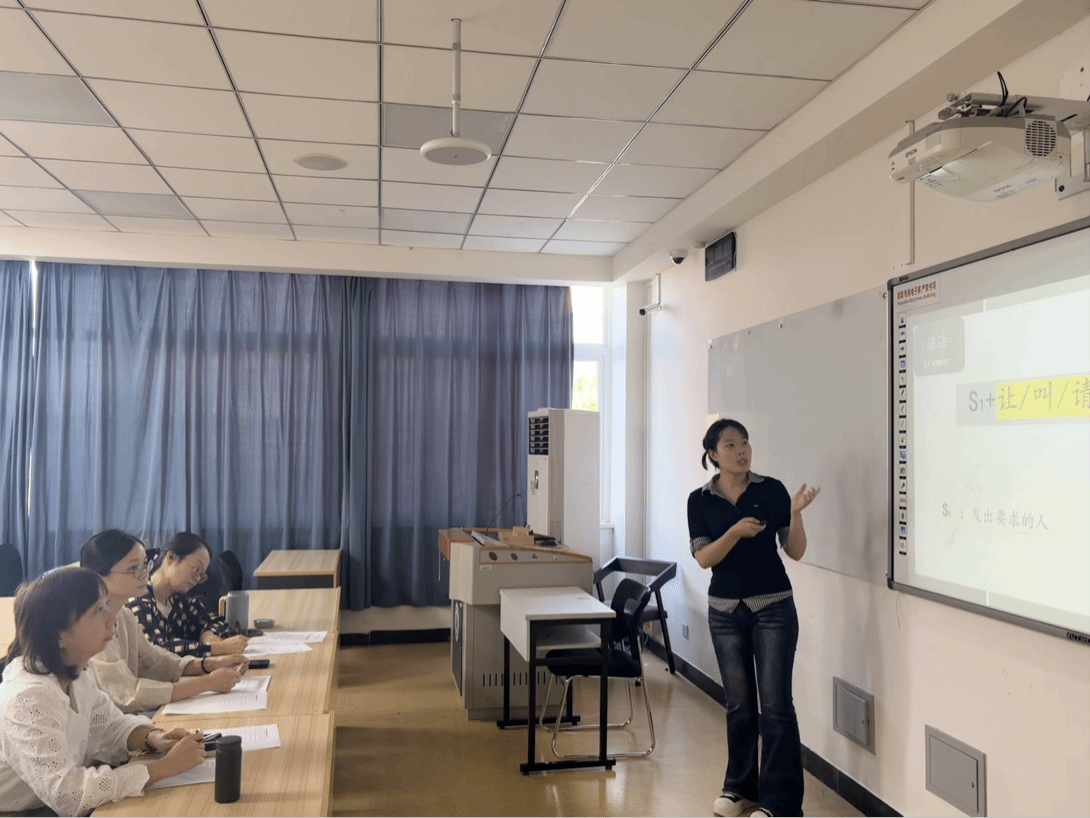
Contestants delivered simulated lessons grounded in real international Chinese classroom scenarios, using multimedia courseware with flexibility and pacing their lessons well. In the pronunciation segment, they drew on gestures and movement to bring their classroom designs to life. The talent showcase was equally impressive, featuring guzheng performances, dance, and tai chi that highlighted the richness of Chinese culture. The atmosphere was lively throughout, with contestants teaching confidently and expressing themselves naturally. Judges praised their instructional design and professional competence.
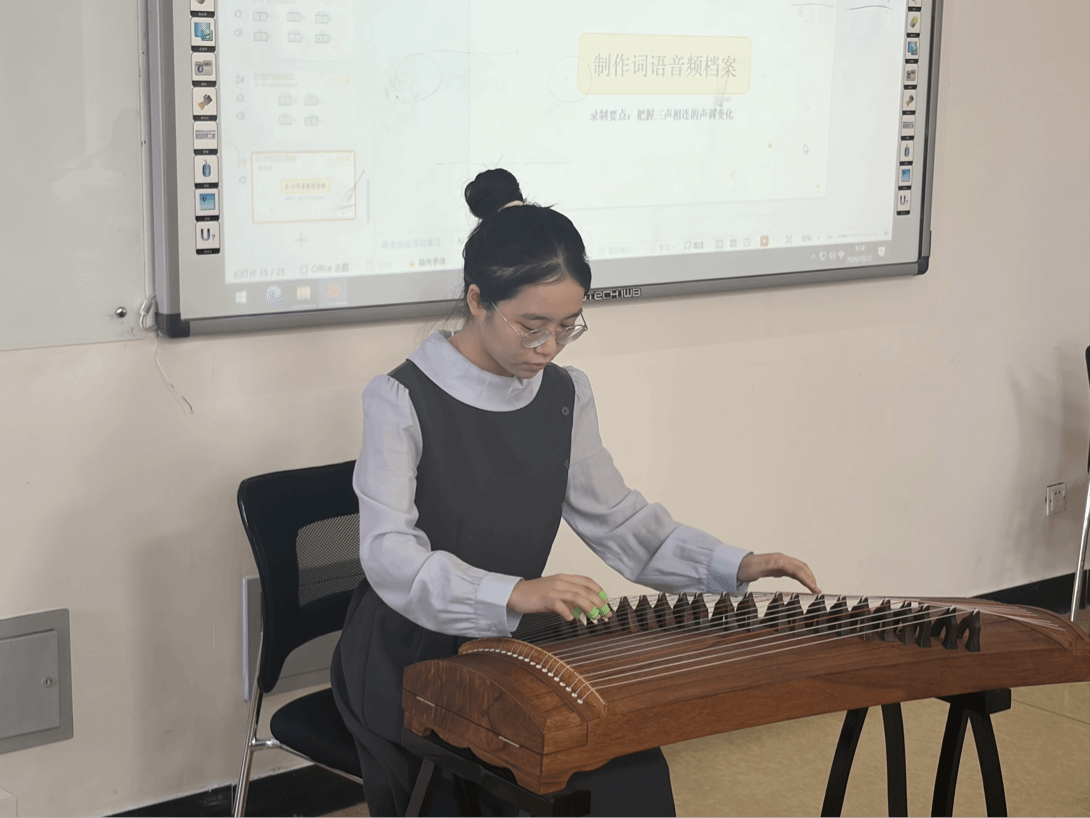
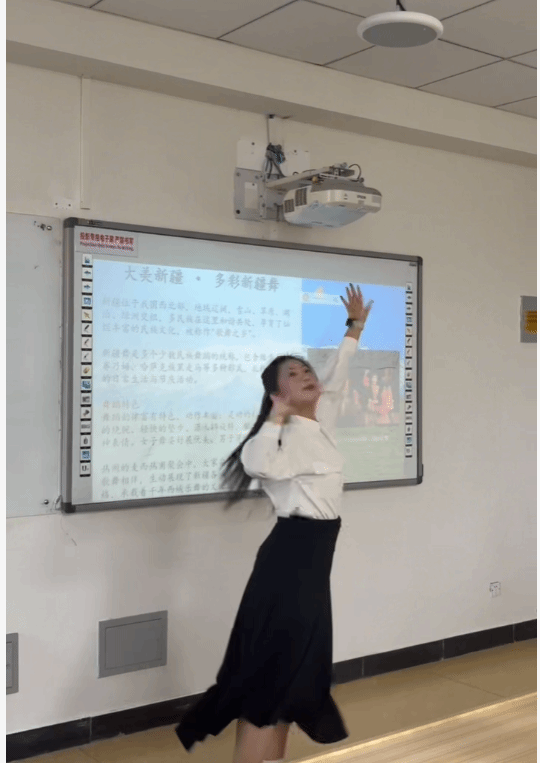
After close competition, Zhang Zhiling, Guo Hanxiao, and Zhao Fei advanced to the final. The other contestants also demonstrated solid professional skills and performed with distinction.
The College has long prioritized the development of graduate students' professional skills. This simulated teaching competition is a concrete implementation of its talent cultivation plan—promoting practice and learning through competition, translating classroom knowledge into practical teaching ability, and steadily strengthening the teaching fundamentals of graduate students in International Chinese Education. It also served as a practical test of students' academic outcomes, effectively assessing their instructional design, classroom organization, and language expression. Participants said the competition helped them identify their weaknesses while picking up valuable teaching ideas from their peers.
College of International Education, Wenzhou University
Postal Address: Building 3, North Campus, Wenzhou University, Chashan University Town, Wenzhou City, Zhejiang Province, China 325035
Tel: 0086-577-86680971
Fax: 0086-577-88368612
E-mail: admission@wzu.edu.cn


Wenzhou University Home
© Wenzhou University


